Cape of Good Hope FAQ & Expert Tips

Local advice on avoiding tour bus crowds, wind warnings, wildlife rules, safety, and essential travel hacks for the peninsula.

Check Entrance Fees → View Tours

Insider Travel Rules Cheat Sheet

Best Time of Day 06:00–09:00 (Early morning) OR 15:00–17:30 (Late afternoon)
Tour Bus Peak 10:15–14:30 (Expect long gate queues & busy sign photo lines)
Baboon Rule #1 Keep vehicle doors locked & never carry visible food in hands
Dias Beach Swimming STRICTLY FORBIDDEN (Fatal rip currents & ocean undertow)
Wind Warning South-Easterly winds ('Cape Doctor') can reach >60 km/h in summer
Cellular Signal Extremely limited / Non-existent inside SANParks reserve

Local Advice for a Seamless Visit

Having visited the Cape of Good Hope hundreds of times, the biggest mistake I see travelers make is arriving right at 11:00 AM alongside dozens of 50-passenger tour coaches. You end up waiting 45 minutes at the SANParks entrance gate and standing in line for 20 minutes just to take a quick photo next to the wooden sign!

Instead, arrive at gate opening time (6:00 AM summer / 7:00 AM winter) or enter after 3:00 PM. Not only will you have the wooden sign and the Cape Point lighthouse platform virtually to yourself, but early mornings and late afternoons offer the best wildlife encounters with grazing bontebok, ostriches, and sea birds along the roadside.
Alex Vance

Avoid Logistics Hassles with Guided Excursions

Professional local guides handle entrance paperwork, route timing, and parking.

Cape of Good Hope and Boulders Penguins Day Tour from Cape Town Skip The Line

Cape of Good Hope and Boulders Penguins Day Tour from Cape Town

⏱️ 4 ★ 4.9 (3498)
Private Tour: Cape of Good Hope and Cape Point from Cape Town Skip The Line

Private Tour: Cape of Good Hope and Cape Point from Cape Town

⏱️ 8 ★ 4.9 (772)
Supersaver: Cape of Good Hope and Cape Point Day Tour from Cape Town Skip The Line

Supersaver: Cape of Good Hope and Cape Point Day Tour from Cape Town

⏱️ 8 ★ 4.9 (421)

Frequently Asked Questions (PAA Resolved)

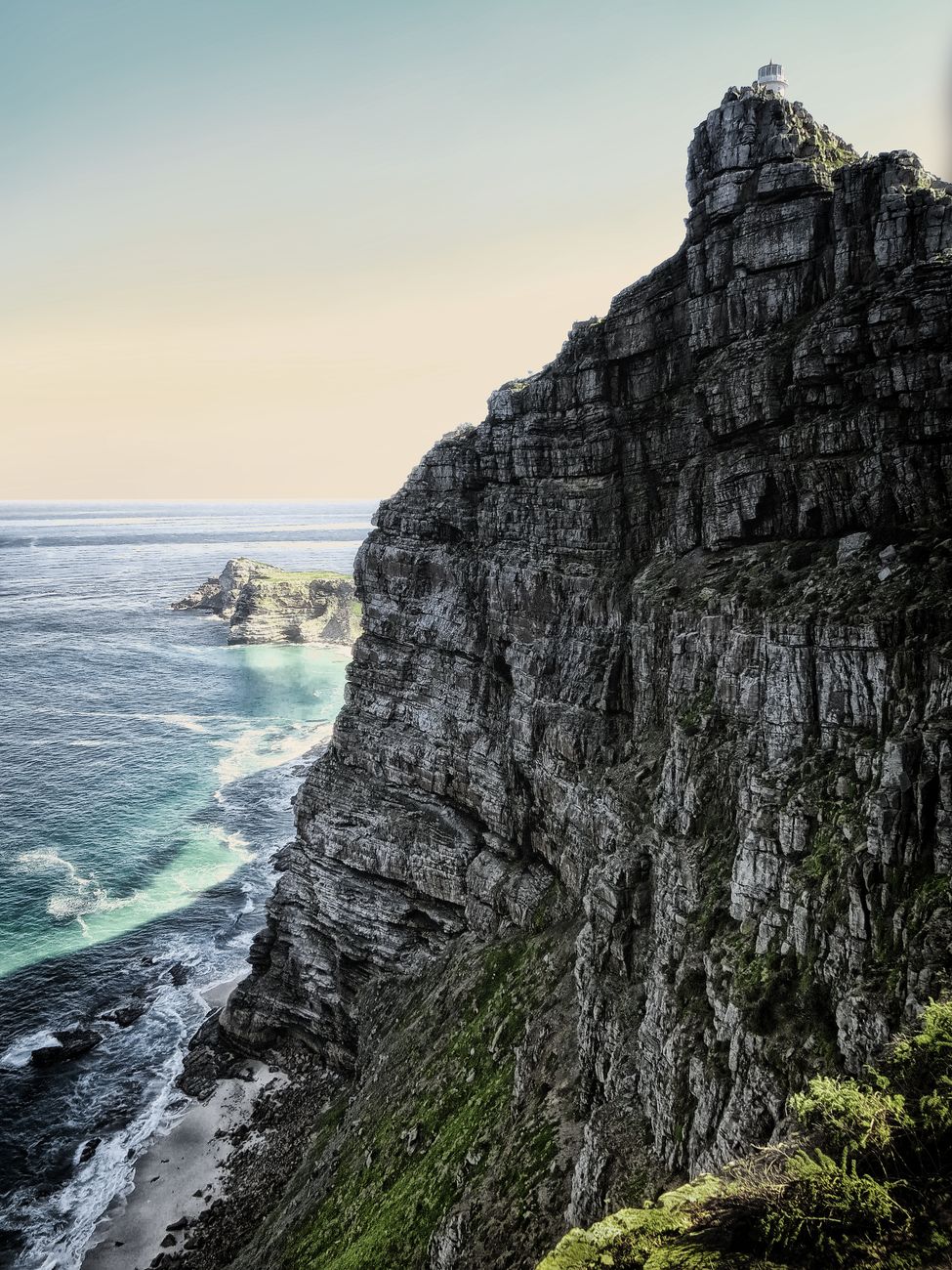
Absolutely! The Cape of Good Hope is one of South Africa's most breathtaking natural landscapes. The dramatic coastal scenery, 238m sea cliffs, unique fynbos vegetation, rich maritime history, and abundant wildlife make it a mandatory stop on any Cape Town trip.

The Cape of Good Hope section of Table Mountain National Park is extremely safe for international tourists. The main safety risks are natural: extreme ocean rip currents (never swim at Dias Beach!), gale-force winds on cliff edges, and wild Chakma baboons in parking areas. Never feed or display food near baboons.

Plan to spend 3 to 5 hours inside the reserve itself. This gives you enough time to visit the Cape of Good Hope wooden sign, ride or walk up to the Cape Point Old Lighthouse, enjoy lunch at Two Oceans Restaurant or a coastal picnic, and hike a short trail.

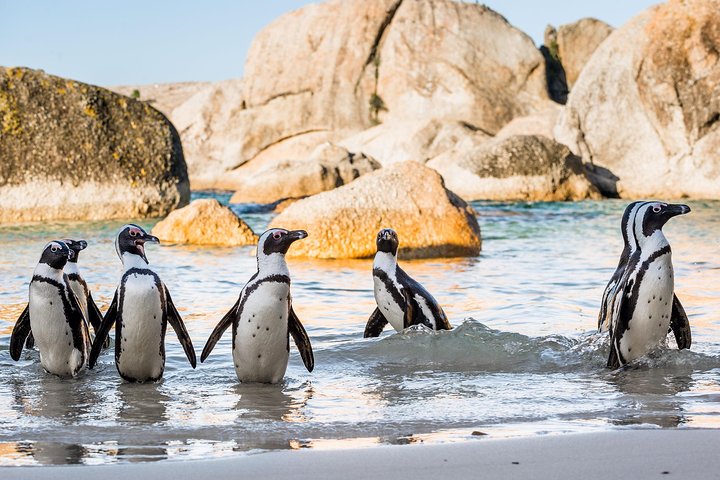
The reserve is home to Chakma baboons, Cape mountain zebra, bontebok, eland, ostriches, caracals, rock hyraxes (dassies), and over 250 bird species. Marine life includes Southern Right whales (June-Nov), humpback whales, Cape fur seals, dolphins, and wild African penguins.

Indigenous Khoisan peoples—specifically pastoralist Khoikhoi and hunter-gatherer San—inhabited the Cape Peninsula for thousands of years prior to European contact, naming the region Hui !Gabe and Hoerikwaggo.

Cape Town is famous for coastal scenery, Table Mountain, beach life, and natural wonders like the Cape of Good Hope. Johannesburg is South Africa's financial and cultural heartland with rich urban history. For natural beauty and leisure travel, Cape Town is widely considered South Africa's flagship destination.

Alex Vance

Written by Alex Vance

Expat travel writer and ocean explorer living in Cape Town. Specializing in coastal reserves, marine wildlife, and local South African travel guides.